Read Our Latest Articles
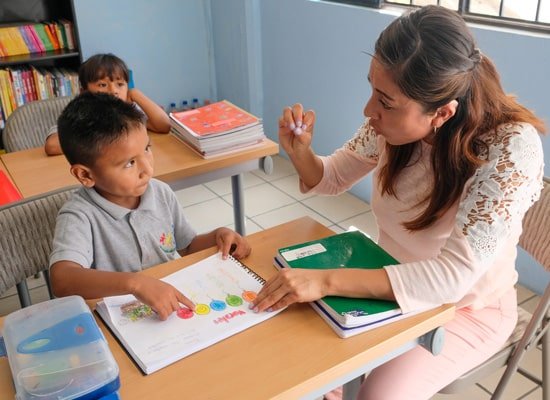
Why Occupational Therapy Matters
Occupational Therapy helps children build independence in everyday activities such as eating, writing, dressing, playing, and socializing. Children with developmental delays, ADHD, autism, or slow motor skills often struggle with routine tasks.
Through structured activities, sensory exercises, and motor training, OT strengthens the child’s muscle coordination, focus, and confidence. The goal is simple—help every child function beautifully in their daily life.

Understanding Sensory Processing
Some children are oversensitive to touch, sound, textures, or movement. Others may be under-responsive and crave jumping, spinning, or deep pressure. Sensory Integration Therapy helps the brain organize and respond to sensory input correctly.
Through swings, textures, balancing tools, and deep-pressure activities, therapists help children regulate their emotions, reduce anxiety, and improve focus. Over time, children learn to stay calm and participate better in daily routines.

When Children Struggle to Speak
Speech delays, unclear words, stammering, and difficulty expressing thoughts are common communication challenges. Speech Therapy helps children improve pronunciation, vocabulary, sentence formation, and social communication.
With playful exercises, picture cards, oral-motor techniques, and interactive games, therapists help children build confidence and communicate clearly with family, teachers, and friends.
Why Children Struggle With Writing
Poor pencil grip, weak hand muscles, and difficulty forming letters can make writing stressful for children. The Handwriting Without Tears program uses a structured, playful method to improve handwriting.
From wood pieces and tracing boards to multisensory writing activities, the program teaches children to write neatly and confidently without frustration.
More Than Just Tuition
Education Therapy supports children who struggle with reading, writing, comprehension, memory, math concepts, or classroom skills. It focuses on the root learning challenges rather than simply revising schoolwork.
Therapists use cognitive training, visual learning tools, and structured teaching to build a child's academic foundation—helping them perform confidently in school.
A Therapy Built on Bonding
Floor Time Therapy helps children with autism, speech delays, and social difficulties by building emotional connection through interactive play. Instead of directing the child, the therapist follows the child’s interests and uses them to build engagement.
Over time, this improves eye contact, social interaction, communication skills, and emotional understanding—helping the child form secure relationships.